
Cycling: A Chain Reaction of Benefits by Dr. Kari Nightingale

As I was cycling to one of my two jobs today, gloved and hatted and paniers packed, I thought about writing this blog.
Cycling has a unique way of weaving together physical health, mental clarity, environmental responsibility, and everyday practicality into one simple habit. Whether you’re gliding through quiet morning streets or coasting home as the sun dips, a cycling commute offers far more than just a way to get from A to B - it becomes a ritual that benefits nearly every aspect of your life.
From a purely physical standpoint, cycling is one of the most efficient forms of exercise available. It’s low-impact, meaning it’s gentle on joints while still delivering excellent cardiovascular benefits. Regular cycling improves heart health, strengthens muscles, particularly in the legs and core, and enhances overall stamina. Unlike high-intensity workouts that can feel daunting, cycling can integrate into your usual routine. You’re not carving out extra time to exercise; you’re simply commuting. Over weeks and months, those miles accumulate into meaningful fitness gains without the psychological burden of “working out.”
But the benefits don’t stop at the body. Cycling has a profound effect on the mind. Starting your day with movement increases blood flow and oxygen to the brain, sharpening focus and boosting mood. The rhythmic motion of pedalling can be meditative, helping to clear mental clutter before the demands of the day begin. By the time you arrive at work, you’re not groggy or stressed, you’re alert, energized, and ready to engage.
The return journey is equally valuable, though in a different way. Cycling home provides a natural transition between work and personal life. Instead of carrying the day’s stress straight through your front door, you process it along the way. The ride becomes decompression time, like a buffer that allows you to mentally clock off. By the time you arrive home, you’re calmer, more present, and better able to enjoy your evening.
There’s also a quiet satisfaction in knowing your daily routine is contributing positively to the planet. Cycling produces zero emissions, reduces congestion, and lessens the demand for fossil fuels. In a world increasingly aware of environmental impact, choosing a bike over a car is a small but meaningful act. Multiply that by thousands of commuters, and the cumulative effect becomes significant.
And then there’s the practicality. Cycling is cheap. Once you’ve acquired a bike and basic equipment, the ongoing costs are minimal - no fuel, no parking fees, no expensive public transport fares. Maintenance is relatively inexpensive, and many repairs can be done at home with a bit of know-how although personally I really only venture to a bit of cleaning, oiling and tyre inflating, and leave the service to the pros.
Perhaps one of the most quietly satisfying aspects of cycling is the experience of bypassing traffic. While cars sit idling in long queues, engines humming and drivers growing increasingly frustrated, you glide past. There’s a certain inner smugness in passing a line of stationary vehicles under your own power. It’s not just faster in many urban settings, it’s more predictable. No unexpected gridlock, no last-minute delays, just a steady, reliable journey.
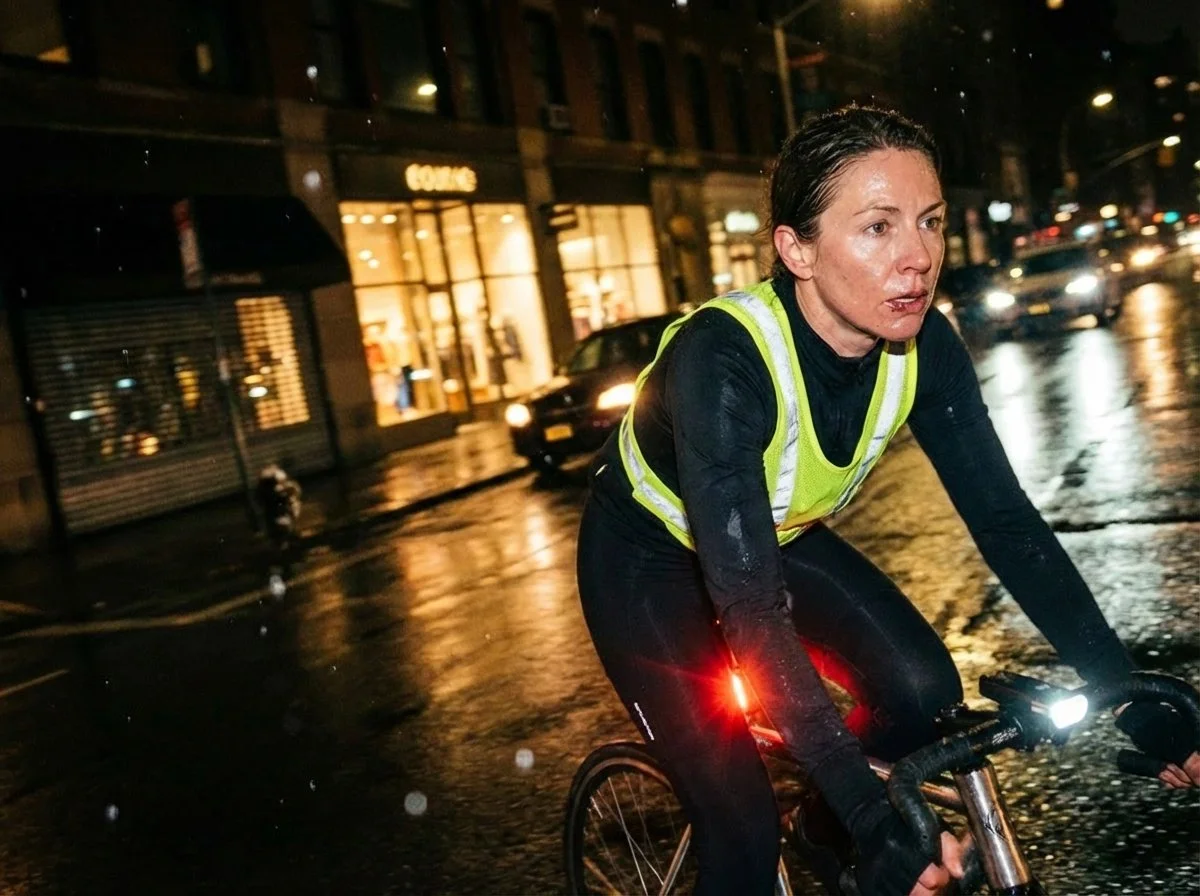
Of course, to make cycling a sustainable habit, preparation matters. Having the right gear can transform the experience. A well-fitted helmet, comfortable clothing, appropriate layers for changing weather, and good lights for visibility are essential. Panniers or a sturdy backpack make carrying your belongings manageable without discomfort. Investing in quality equipment upfront pays dividends in comfort and consistency. I opted for a basket on the back of my bike for an easy way to carry lunch and scrubs etc.
Planning is equally important. Mapping out a safe, efficient route, avoiding one with heavy traffic and maximising use of cycle paths and lanes will make your commute far more enjoyable. Overtime you get to find the neatest and safest ways to complete your journey. Checking the weather forecast and adjusting your clothing accordingly prevents unpleasant surprises. And one of the simplest yet most effective habits is packing the night before. Lay out your clothes, prepare your bag, and ensure your bike is ready to go. This removes excuses in the morning, making it far easier to stick with the routine, especially on days when motivation is low. But it doesn’t have to be a daily commitment. For me, a cycle commute is something I try to do twice weekly, only resorting to car in the worst weather conditions.
Cycling also offers a compelling argument to the rise of purely remote work. While working from home has its advantages, it often removes natural movement from the day. The commute, once seen as a chore, can actually be a valuable source of structure and activity. Cycling reinstates that boundary between home and work while embedding exercise into your daily life. It gives you a reason to step outside, engage with your surroundings, and maintain a rhythm that supports both physical and mental wellbeing.
In many ways, cycling is a rare win-win. It strengthens your body without strain, clears your mind without effort, saves money, reduces environmental impact, and often gets you where you need to go more efficiently than driving. It turns dead time into productive, enjoyable time. And perhaps most importantly, it reframes the idea of exercise from something you have to do into something you simply live.
By the end of the day, you’ve moved your body, boosted your mood, and contributed, however modestly, to a cleaner, less congested world. All without setting foot in a gym or forcing yourself through a workout. You just got on your bike and rode.
GP and British Menopause Society accredited menopause specialist. Accredited lifestyle medicine doctor.
https://www.menopausecare.co.uk/associate-dr-kari-nightingale