
HRT and Menopause: How Hormone Therapy Can Support Your Symptoms and Future Health by Dr Kari Nightingale
If you’re going through menopause, you’ve probably noticed that everyone seems to have an opinion about hormone replacement therapy (HRT). Some women swear it gave them their life back. Others are understandably cautious because of things they’ve heard in the media. And some women are left wondering if HRT is right for them.
The truth is that menopause is a completely natural life stage—but that doesn’t mean you have to struggle through it. Hot flushes, brain fog, night sweats, low mood, joint pain, poor sleep, and changes in libido to name just a few can take a real toll on your wellbeing, your relationships, and your confidence. Personally I found myself walking down the stairs holding on to the bannisters wondering why my knees seem to hurt so much, and without noticing many other symptoms did not initially associate this with hormones. Lifestyle choices such as exercise, nutrition, stress management, sleep hygiene, and reducing alcohol can make a meaningful difference. But for many women, HRT brings everything together.
So what exactly is HRT?
Hormone Replacement Therapy simply replaces the hormones your body naturally produces less of during menopause—primarily oestrogen, and always combined with progesterone if you still have a uterus. It can be taken in several forms:
• Oestrogen patches, gels, or sprays (oestrogen absorbed through the skin)
• Oestrogen and progestogen tablets
• Vaginal oestrogen/DHEA for local symptoms such as dryness and discomfort
• Micronised progesterone (a body-identical form often used with transdermal oestrogen)or other progestogens
Your doctor will help you choose the safest and most suitable option based on your health history and symptoms.
Why does HRT help with menopause symptoms?
Menopause symptoms are caused by fluctuating and declining oestrogen levels. By replacing those hormones, HRT can help relieve many of the symptoms that impact daily life, including:
Hot flushes and night sweats - HRT is the most effective treatment available for vasomotor symptoms. Many women see improvements within weeks.
Sleep disturbances - night sweats aren’t the only issue—oestrogen itself influences sleep cycles. With steadier hormone levels, many women notice deeper, more restorative sleep.
Low mood and irritability - menopause can destabilise neurotransmitters like serotonin. Some women find HRT lifts mood, improves emotional resilience, and reduces anxiety.
Joint aches and muscle pain - declining oestrogen affects connective tissue. Many women find HRT reduces stiffness or “menopause arthritis”.
Brain fog and memory issues - while HRT can’t promise miracles, some women experience clearer thinking and improved concentration.
Vaginal dryness, painful sex and urinary symptoms - even if you don’t take systemic HRT, low-dose vaginal products can dramatically improve comfort and sexual wellbeing.
Lifestyle still matters
Lifestyle interventions often feel less exciting than a treatment, but they are powerful: regular exercise, balanced nutrition, quality sleep, social connection, and stress management improve long-term health and reduce symptom severity. Think of HRT as a supportive partner, not a replacement for lifestyle changes.
For example:
• Exercise helps reduce weight gain, boosts mood, and protects the heart.
• Strength training protects bone density and is associated with longevity
• Diet rich in fibre, lean protein, and healthy fats stabilises energy and supports hormonal balance.
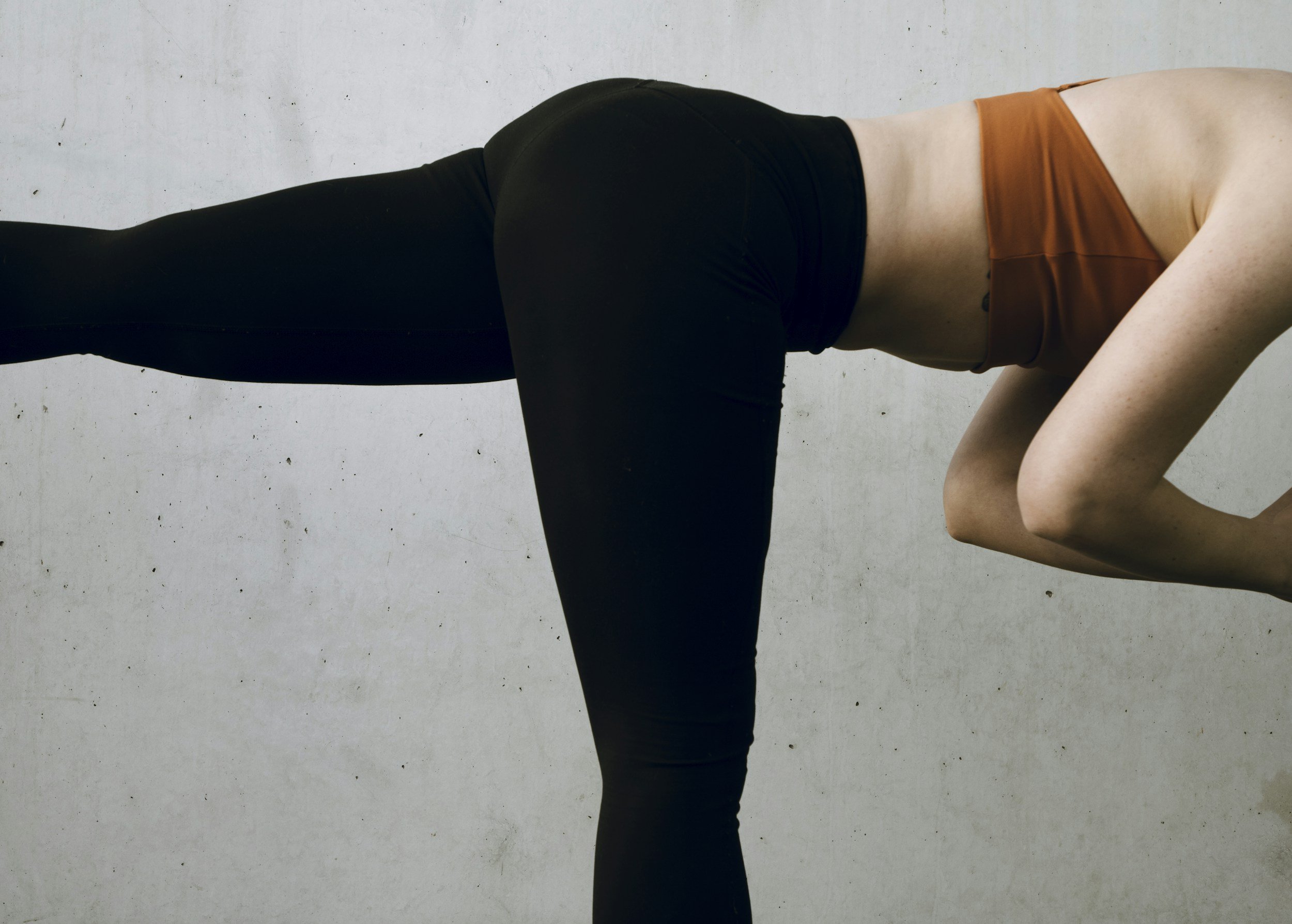
• Mind-body practices like yoga or mindfulness help regulate stress and support sleep.
When paired with lifestyle foundations, HRT often works even better. Many women describe finally getting traction with new habits once symptoms are under control.
How HRT supports long-term health
While reducing symptoms is important, HRT may also have benefits for your future wellbeing.
Bone health - after menopause, bone density drops quickly. Oestrogen helps maintain strong bones and reduces the risk of osteoporosis and fractures. Starting HRT around the time of menopause offers the most benefit.
Heart health - cardiovascular disease risk increases after menopause. Evidence suggests that starting HRT within the first 10 years of menopause may support heart health by improving cholesterol, blood vessel flexibility, and metabolic markers.
Brain health - research into dementia prevention is ongoing, but some studies suggest that starting HRT around the time of menopause may be associated with a lower risk of cognitive decline. While this isn’t a guaranteed protective effect, it’s a promising area of research.
Sexual and urogenital health - vaginal dryness, recurrent infections, and painful sex are common after menopause. Local vaginal oestrogen is safe long-term and dramatically improves comfort, confidence, and quality of life.
Safety: what you really need to know
Many fears around HRT come from older studies using now-outdated formulations. More recent evidence shows that body-identical hormones delivered through the skin (patches, gels, sprays) do not increase the risk of blood clots compared to older formulation oral tablets. The risk of breast cancer is often overstated when compared to the greater risks of breast cancer linked to obesity and high alcohol intake for example. For most healthy women under 60, the benefits of HRT outweigh the risks, but individual assessment is essential.
This is why personalised care matters. Your doctor or menopause specialist will help weigh your personal risks and benefits.
Is HRT right for you?
HRT isn’t the only option, and it isn’t right for absolutely everyone. But many menopausal women find it transformative—especially when combined with healthy lifestyle changes. The goal is simple: to help you feel like yourself again, protect your long-term health, and support your physical and emotional wellbeing.
If you’re considering HRT, speak to your GP, menopause specialist, or women’s health provider. Bring your questions and your concerns. You deserve clear information, compassionate care, and support that honours your lived experience.
Menopause may be inevitable, but suffering through it doesn’t have to be.
Dr Kari Nightingale
GP and British Menopause Society accredited menopause specialist. Accredited lifestyle medicine doctor.
https://www.menopausecare.co.uk/associate-dr-kari-nightingale