
Rhythm, Rest and Renewal by Sophia Barton-Pink
Sleep is one of the most powerful, yet underestimated, foundations of wellbeing. Though it appears passive, it is during sleep that the brain and body repair, regulate, and restore. This quiet rhythm shapes how we think, feel, and function. When it begins to fray, everything else feels harder. Mood dips, patience thins, concentration blurs, and even small stresses loom larger than they truly are.
As sleep neuroscientist Dr Matthew Walker notes, “Sleep is the single most effective thing we can do to reset our brain and body each day.” This capacity for overnight recalibration is why rest sits at the centre of resilience.

Modern life has gently but persistently unsettled our natural rhythms. Artificial light, late-night screens, caffeine, irregular schedules, and constant demands on our attention have created a culture of chronic sleep debt. For many people, sleep has shifted from something natural into something that can feel more fragile, elusive, or unreliable.
This journal entry blends sleep science, therapeutic insight, and sensory ritual. It invites you to approach rest not as a performance, but as a relationship you can strengthen over time through supportive, evidence-led foundations.
Moonshack is a founder-led brand, shaped not only by clinical training, but by lived experience. I live with a neurological condition that brings periods of deep fatigue, and over time I have had to learn a different relationship with rest.
As a woman in menopause, I have also had to listen more closely to my body’s changing needs. Before I understood what supported me best, hot flushes and disrupted sleep were frequent companions. A cooler room, lighter layers, and permission to rest differently made a meaningful difference.
For me, rest is not always about long, uninterrupted sleep, particularly during periods of fatigue or hormonal change. Sometimes it arrives in shorter pauses, power naps, or moments of stillness during the day, what I think of as quietly plugging myself back in. These small intervals of rest have become essential to caring for my nervous system and sustaining energy.
What this experience has taught me is that while there are clear principles that support rest, there is no single formula that works for everyone. With good information, curiosity, and self-compassion, we learn how those principles apply to our own bodies. Moonshack exists to encourage that exploration, and to remind us that rest is both structured and personal, something we are allowed to adapt with care.
Why sleep matters - Sleep often becomes most noticeable when it is gently disrupted. Emotionally, irritability sharpens, perspective narrows, and resilience thins. The brain must work harder to regulate feeling, leaving us more reactive or overwhelmed.
REM sleep plays a vital role in emotional recovery. Walker describes it as “emotional first aid”, the nightly process that helps soften the intensity of waking life.
Physically, insufficient sleep disrupts hormones, appetite, metabolism, immunity, and stress regulation. Consistent, restorative sleep is not indulgent; it is foundational. It supports emotional balance, long-term brain health, cardiovascular function, and the quiet capacity to meet the world with steadiness rather than strain.
Rhythm, cycles, and renewal - Sleep unfolds in repeating cycles, typically around ninety minutes in length, though this varies between individuals. Non-REM sleep supports deep physical restoration, immune function, and metabolic balance. REM sleep integrates memory, emotion, and learning, supporting psychological resilience and creativity.
Walker’s description of sleep as “overnight therapy” captures the quiet work that takes place beyond awareness, reshaping emotion and thought through the night.
Both forms of sleep are essential. When deep sleep is reduced, physical repair suffers. When REM sleep is shortened or fragmented, mood regulation and emotional processing are affected.
Light, stress, and internal rhythm - Two biological systems work together to shape when we feel awake or sleepy. The first is the circadian system, guided primarily by light. As circadian sleep researcher Dr Charles Czeisler explains, light is the most powerful synchroniser of the human internal rhythm. Morning daylight suppresses melatonin and gently lifts cortisol, signalling to the brain that the day has begun.
The second process tracks how long we have been awake. As waking hours accumulate, sleep pressure builds. Caffeine temporarily blocks this signal, which can make it harder to fall asleep later in the evening.
Stress adds another layer - Under sustained pressure, cortisol can remain elevated into the night, keeping the body in a subtle state of alertness. Poor sleep then increases stress sensitivity the following day, creating a reinforcing loop.
Clinical psychologist Professor Allison Harvey captures this clearly: “Insomnia is maintained not only by what people do, but by what they think.” Anticipating a difficult night or worrying about sleep itself can keep the nervous system activated long after the body is tired.
Evening ritual and the senses - The nervous system responds most readily to sensory cues. Gentle, repeated signals help the body recognise that the day is closing and rest is approaching.
Lower light, quieter sound, cooler temperature, and familiar textures all support this transition. Scent, in particular, interacts directly with the limbic system, the brain’s emotional centre. Aromatics such as lavender, chamomile, bergamot, and frankincense are often experienced as calming and grounding when used consistently.
Over time, repeating the same simple cues creates a predictable pathway into rest, reinforcing the body’s expectation of safety.
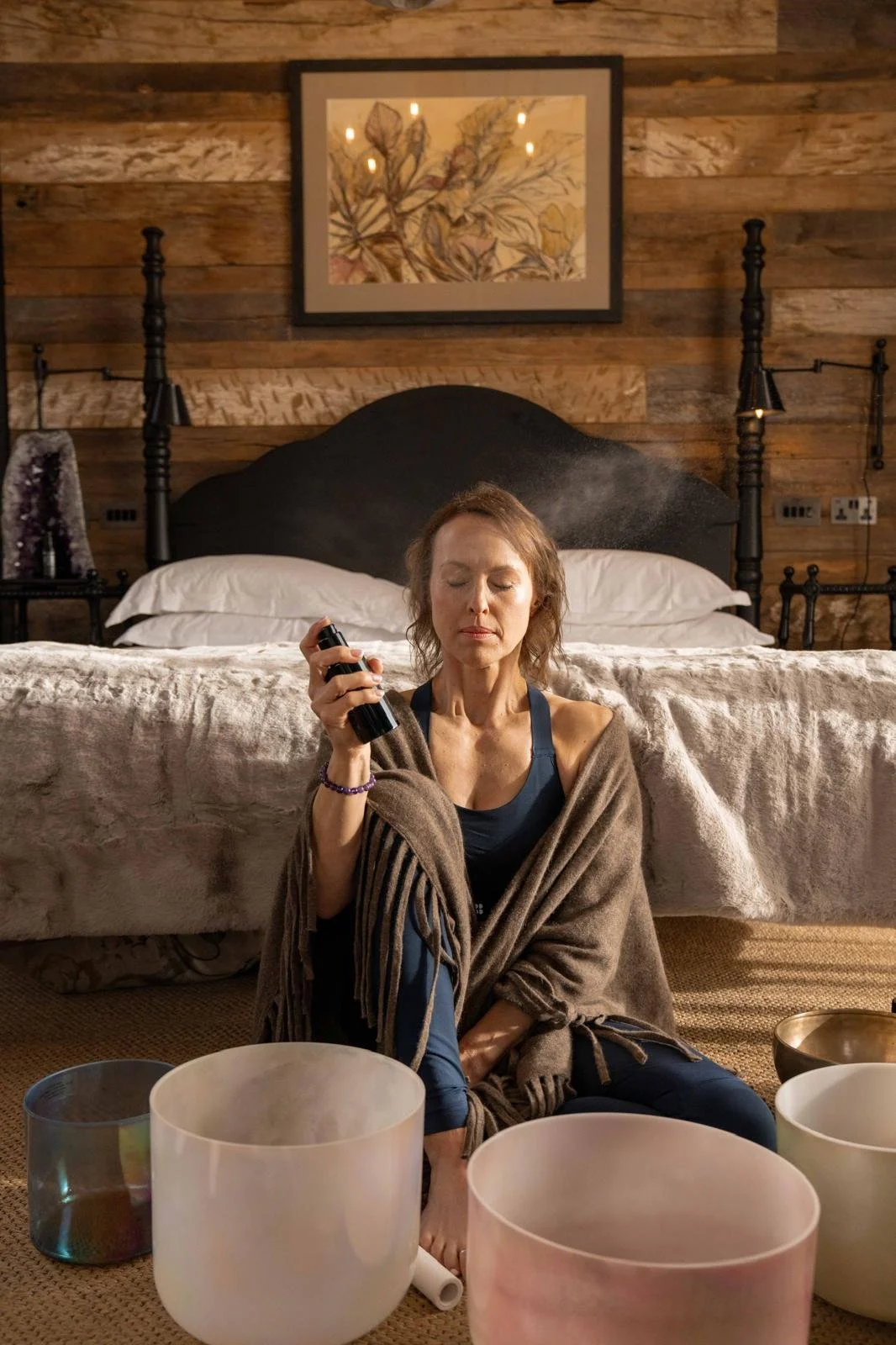
The Moonshack approach to night. Aromatherapy, when used intentionally, can turn an ordinary moment into a sensory act of care. When paired with a slower pace and softened environment, scent becomes a gentle signal of safety.
As part of an evening wind-down, you might include Moonshack Sleep Mist, crafted with one hundred percent natural, alcohol-free ingredients. Used lightly in your immediate space, it is designed not to force sleep, but to mark the transition from day to night.
It is one note in a wider rhythm of care, not a treatment for sleep difficulties, but a sensory invitation to soften and unwind.
Rest is not an achievement; it is a return, a quiet remembering of the body’s wisdom. Like meditation, sleep often arrives when we stop trying to control it and allow the body to find its own rhythm.
Over evenings and nights, through small repeated cues, light softening, breath slowing, familiar sensory signals, the body relearns safety. Rhythm is built not through perfection, but through return.
Moonshack supports rest through evidence-based principles, sensory ritual, and compassionate adaptation, recognising that while the foundations of sleep are shared, each body finds its own rhythm.
Moonshack is devoted to natural self-care, sensory ritual, and emotional equilibrium. Each creation is crafted with one hundred per cent natural ingredients to support stillness, mindful presence, and gentle reconnection with the senses. Informed by clinical training in psychotherapy and hypnotherapy, Moonshack brings together contemporary neuroscience with the long-held therapeutic use of botanicals, honouring both daily ritual and intentional rest.
Disclaimer. This journal entry is for educational and wellbeing purposes only and is not intended to replace medical advice, diagnosis, or treatment. If you are experiencing persistent sleep difficulties, anxiety, or distress, please consult your GP, sleep specialist, or another qualified health professional.